Students 4 Students
Roles: Conceptor, Speaker, Teaching Assistant, Staff
- Volunteered to teach incoming EPFL students the basics of advanced linear algebra and classical mechanics before the start of the semester.
- Delivered lectures in a lecture theatre.
- Prepared course material and exercise sheets.
- Answered students' questions.
Erasmus Student Network
Role: Buddy
- Helped welcome incoming exchange students to EPFL.
Imperial College London
- Completed a third-year Bachelor's exchange at Imperial College London.
- Took advanced courses, including some Master's-level modules.
- Became more independent by adapting to a new university system and living in an international environment.
- Met many people from different countries and cultures.
Bachelor Project
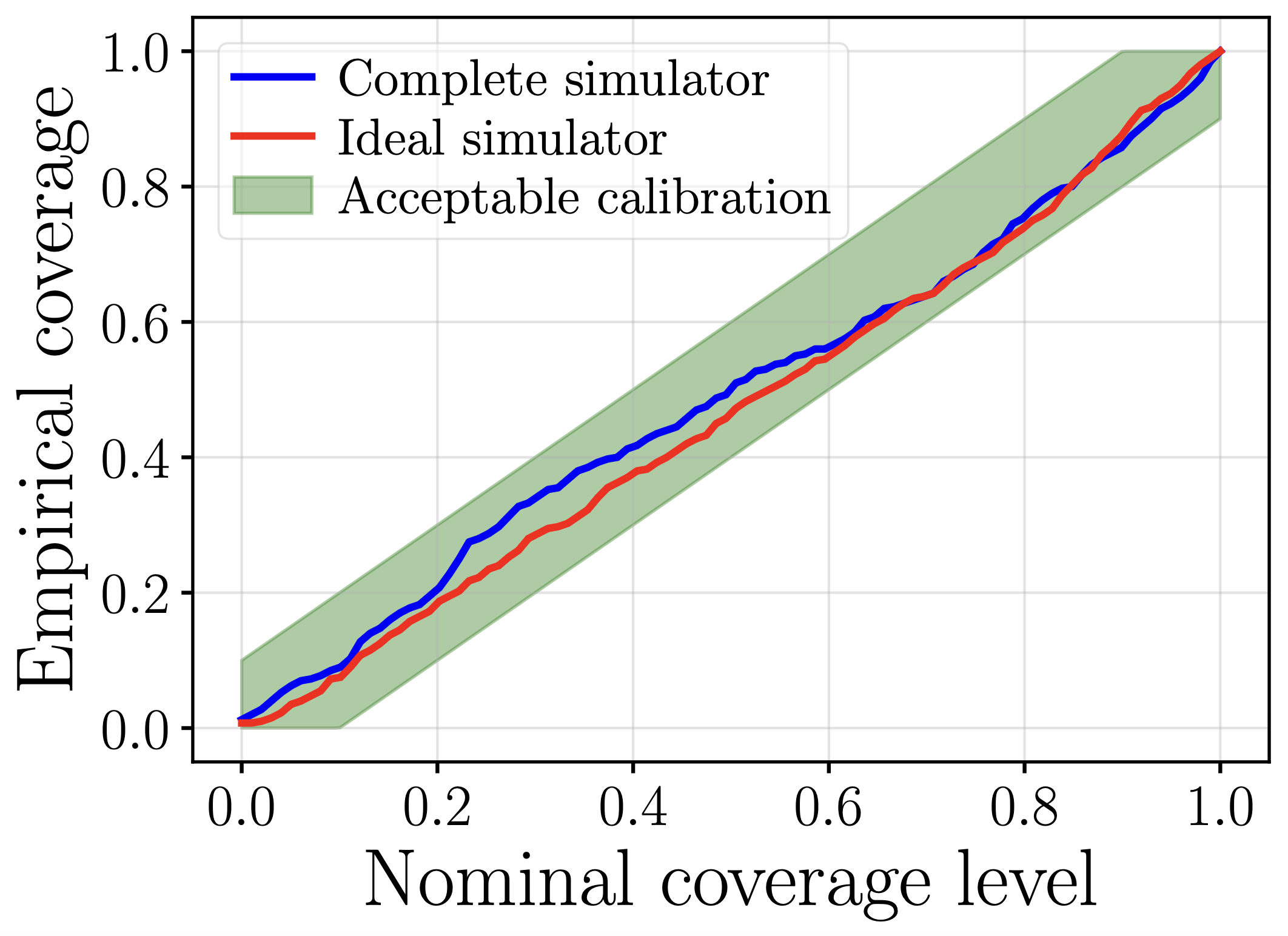
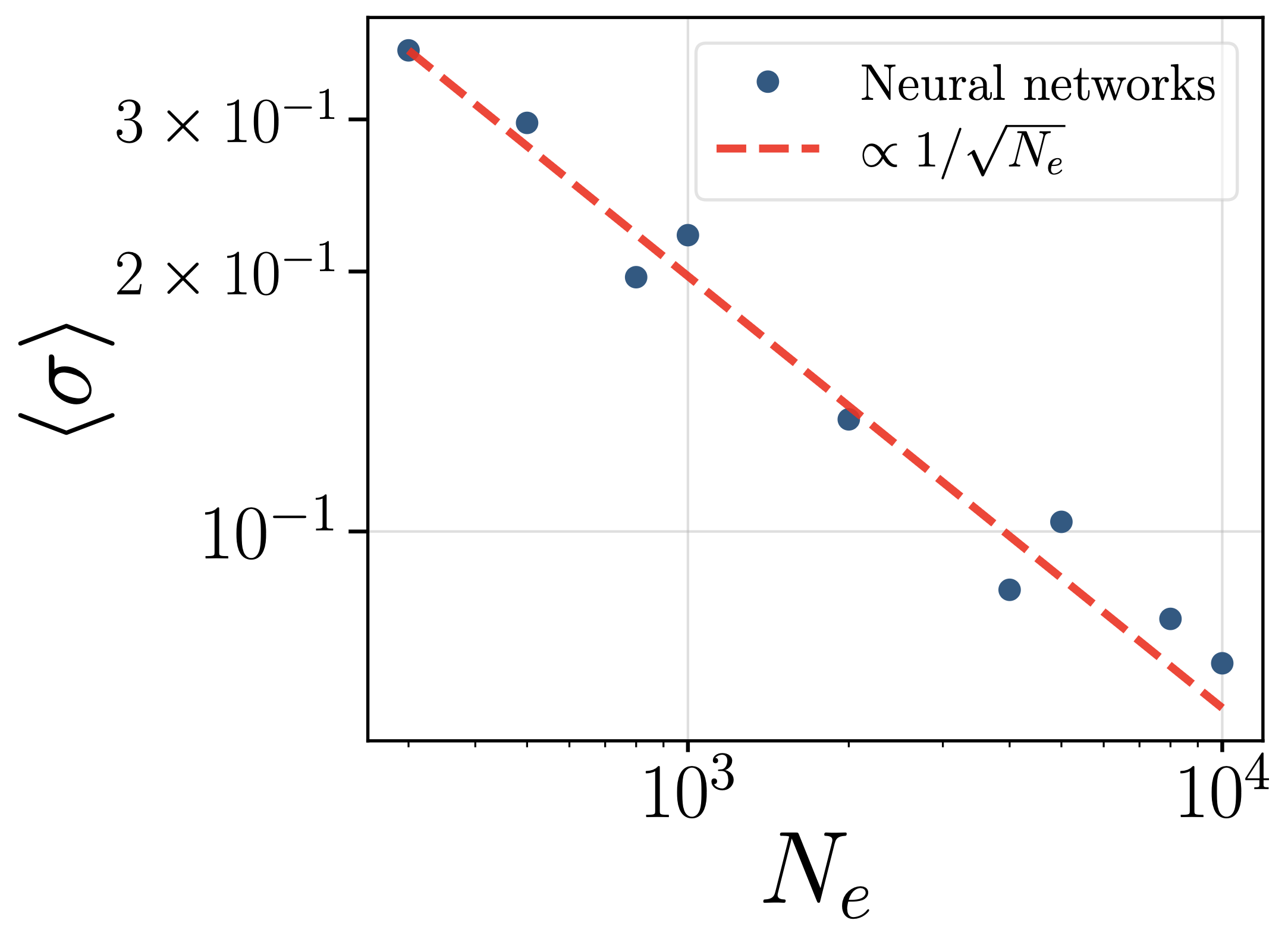
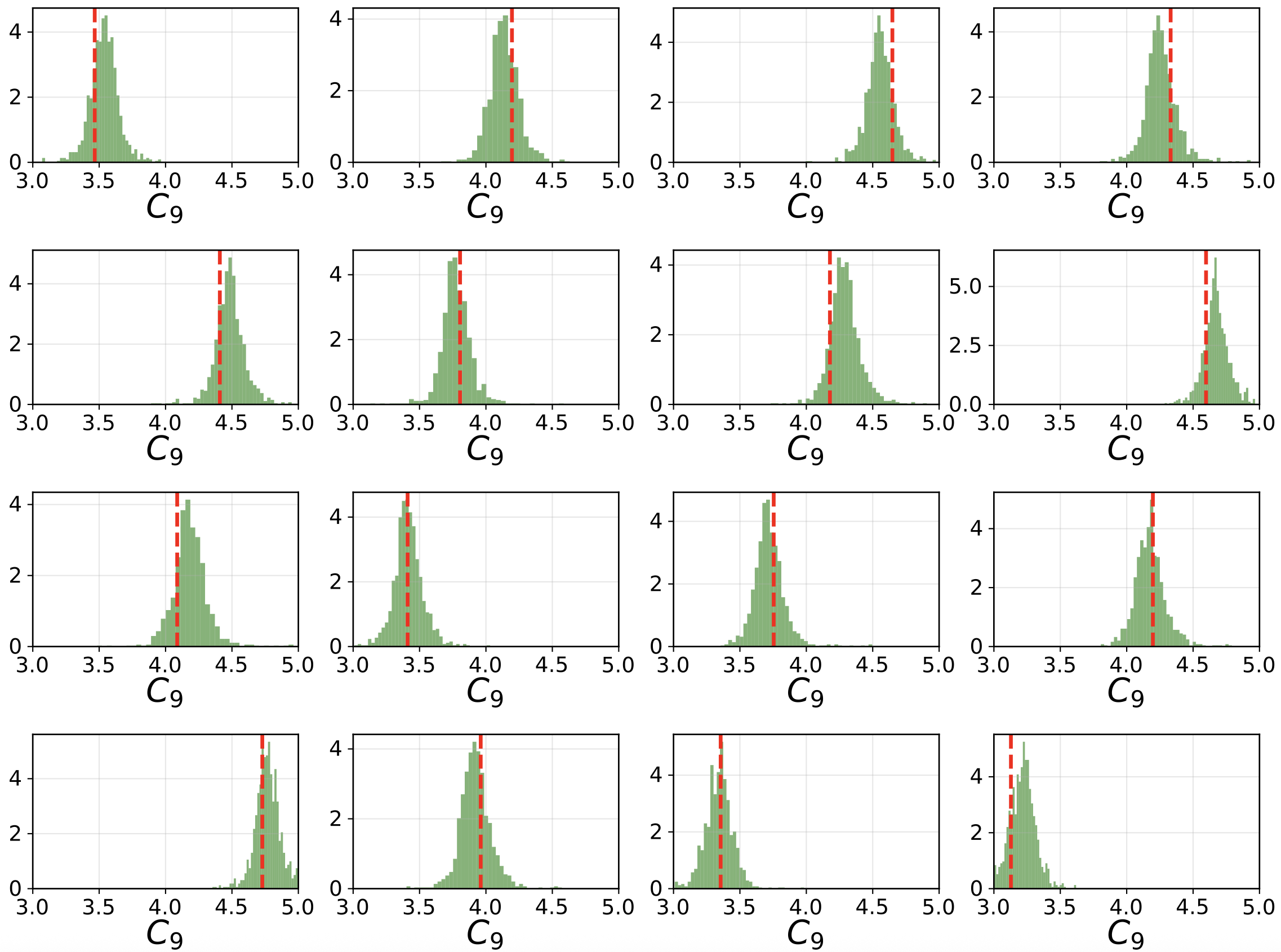
- Studied Simulation-Based Inference for rare particle decays.
- Learned the basics of neural networks and Simulation-Based Inference by myself.
- Built and tested simple models using simulated data.
- Discovered what research looks like and attended the VERaiPHY online workshop on machine learning methods for physics.
Teaching Assistant
- Answered students' questions during exercise sessions.
- Graded exams and student projects.
- Volunteered to correct an exercise in a lecture theatre.
- Gave students feedback on their mathematical writing while correcting exercises.
- Became more comfortable explaining technical concepts clearly to students.
Better Ideal Gas Simulation
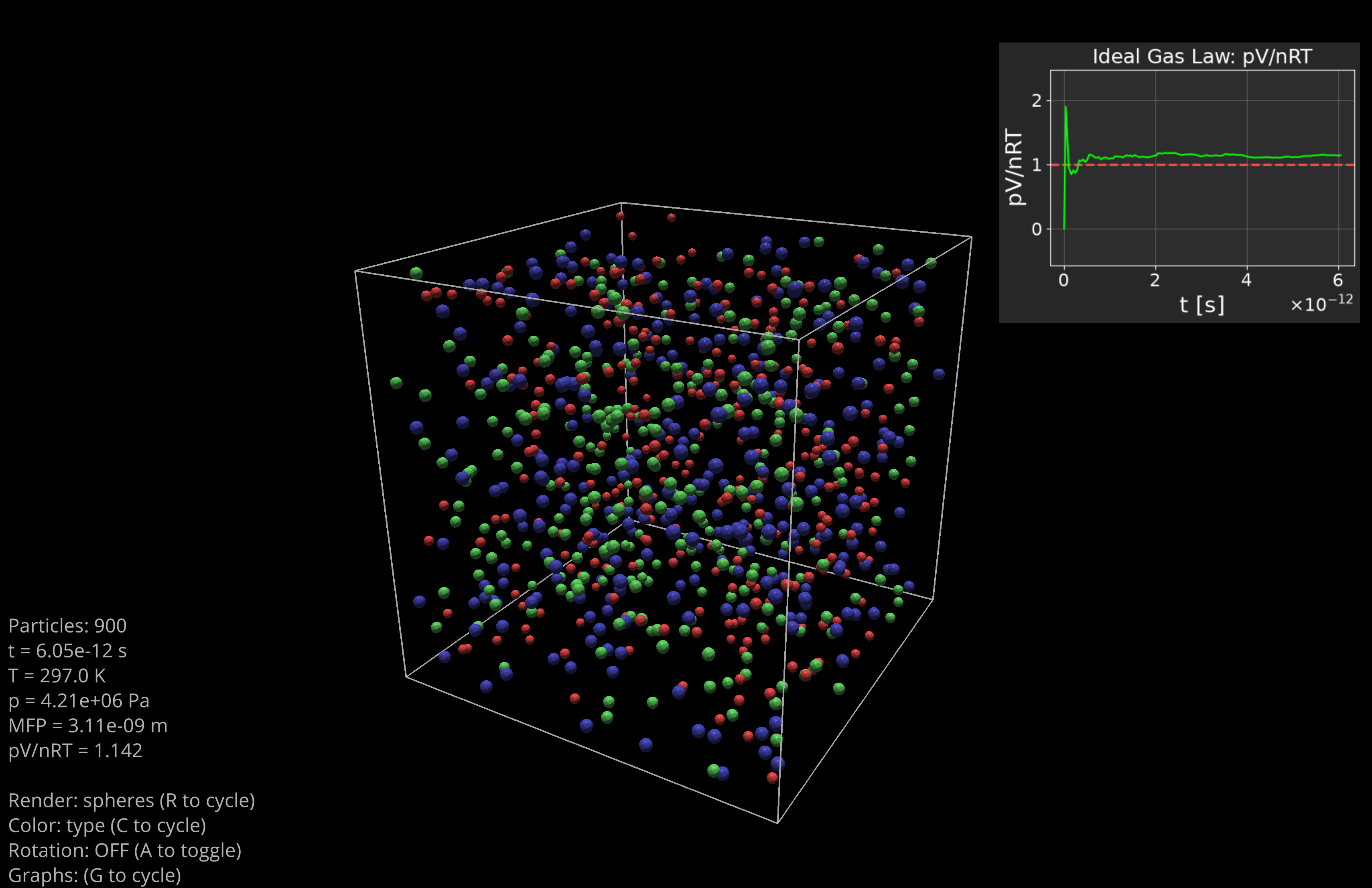
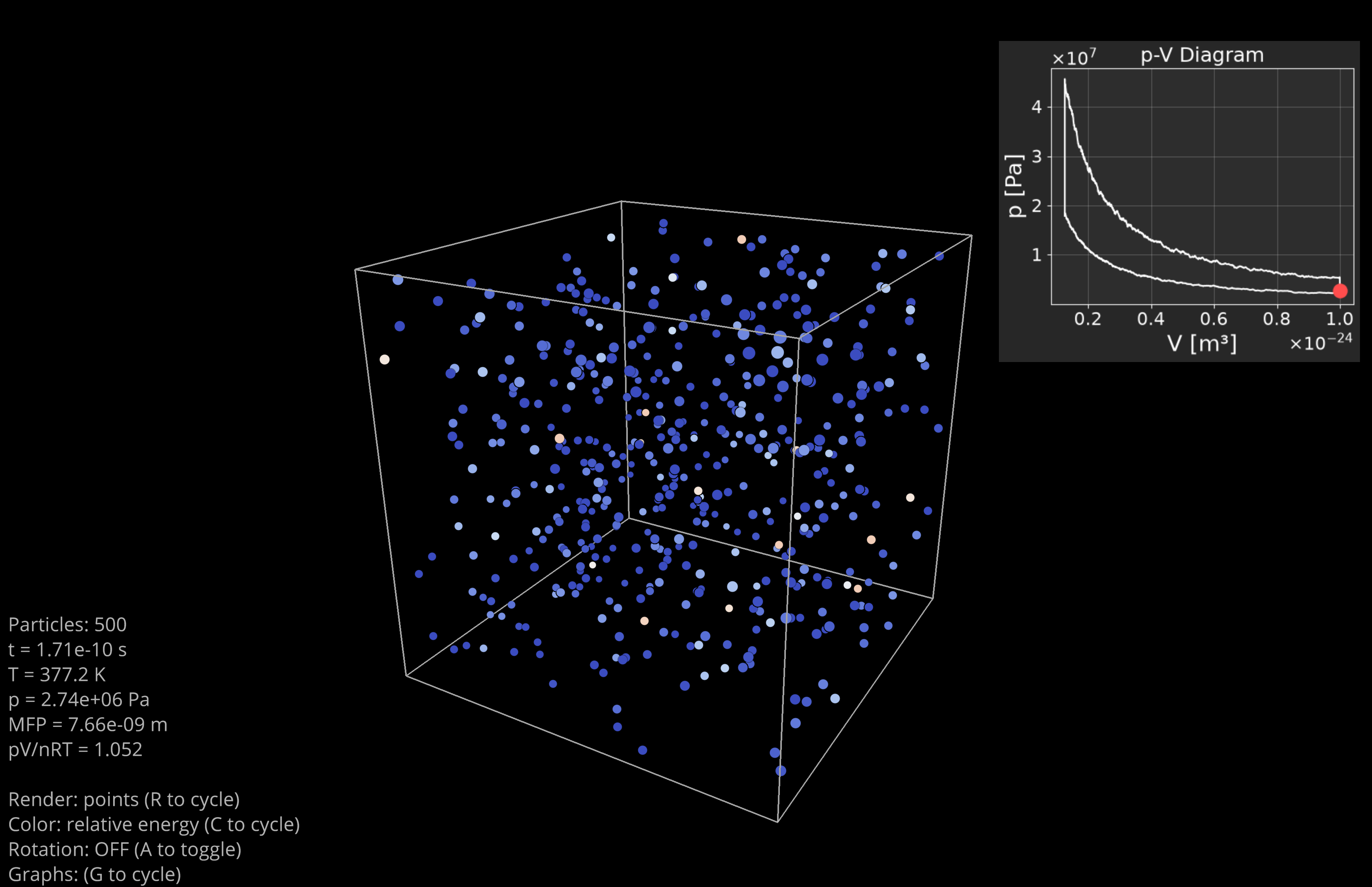
- Developed an interactive 3D ideal gas simulation in Python at the request of an EPFL professor, who wanted a portable tool to show simulation videos in her Advanced Thermodynamics course.
- Rebuilt and improved upon my earlier C++ project with better visualization and more features.
- Implemented realistic physics with elastic collisions, a Berendsen thermostat, and piston-based compression.
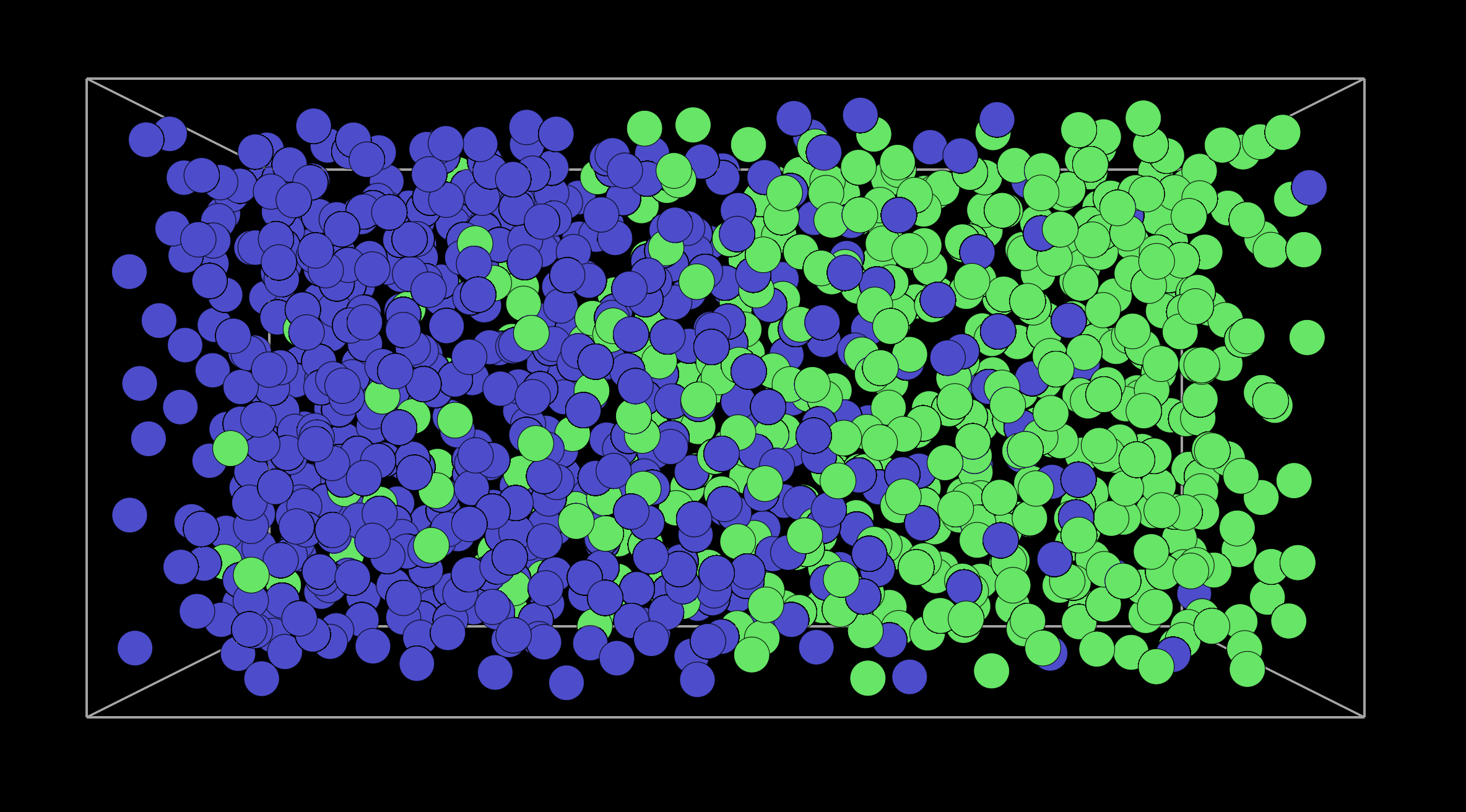
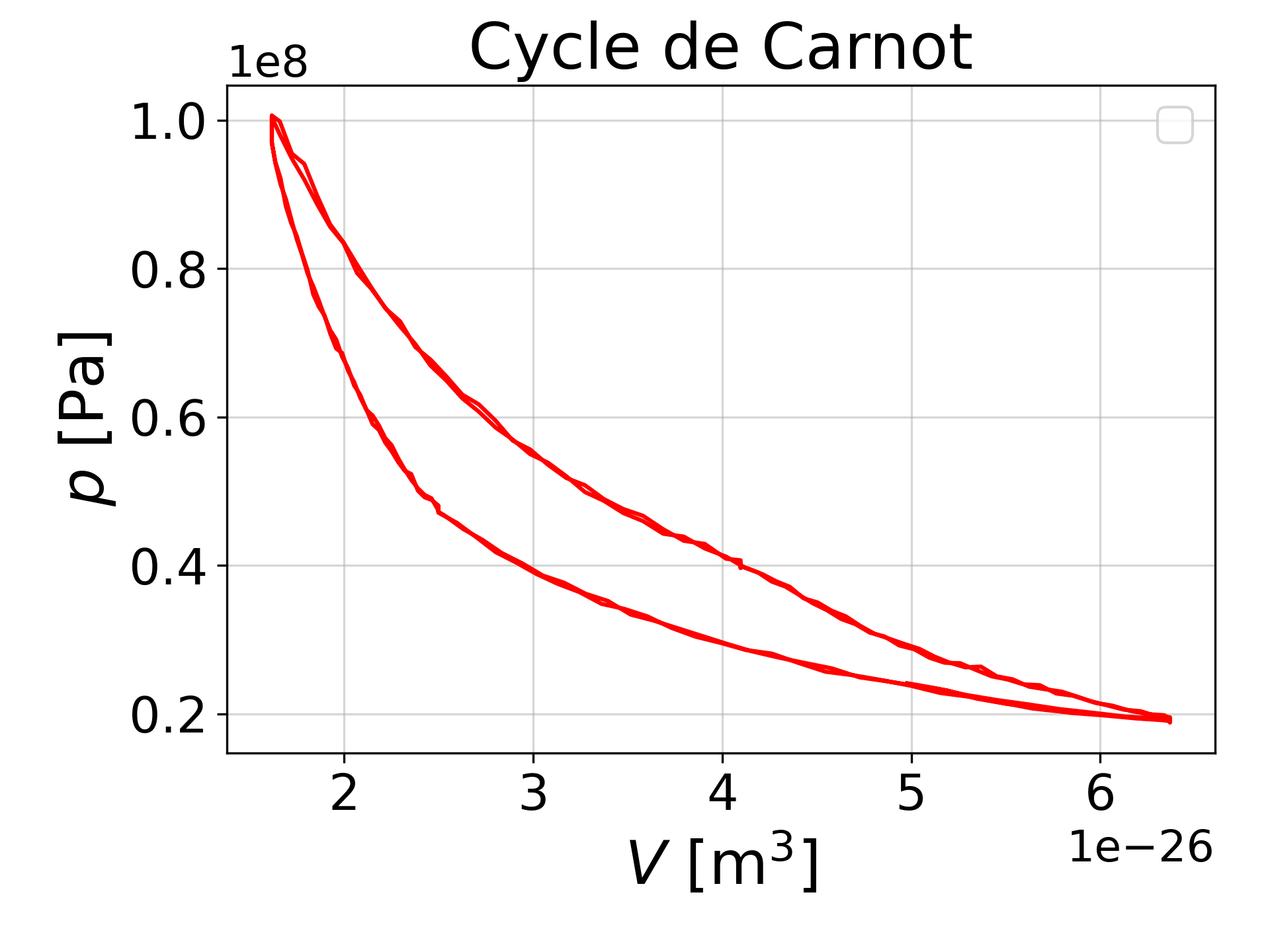
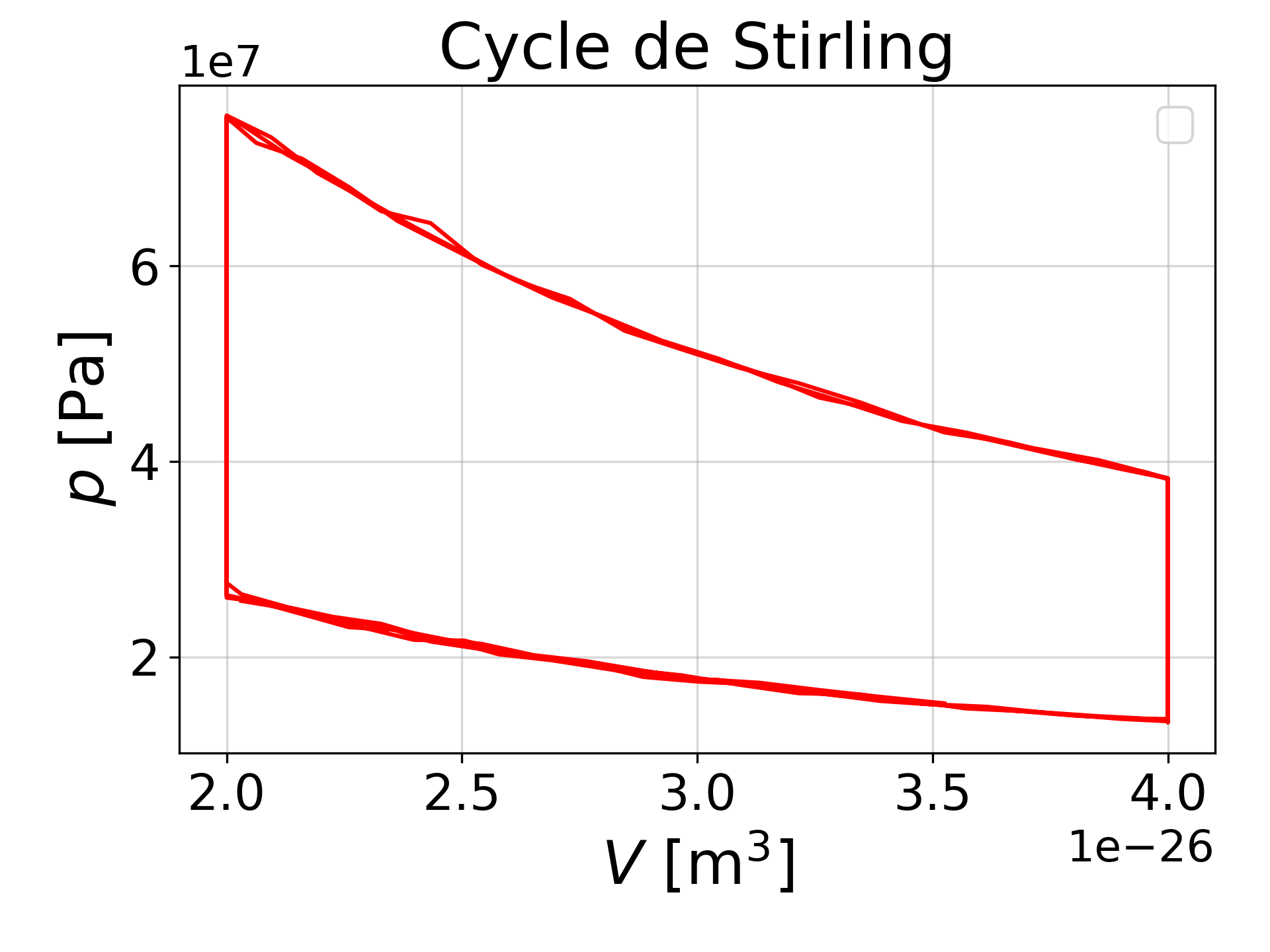
- Created 10 pre-built scenarios including Stirling and Carnot cycles, Brownian motion, gas mixing, and Maxwell–Boltzmann distribution verification.
- Added real-time overlays showing velocity histograms, ideal gas law verification, and p–V diagrams.
Bachelor Project
- Studied Simulation-Based Inference for rare particle decays.
- Learned the basics of neural networks and Simulation-Based Inference by myself.
- Built and tested simple models using simulated data.
- Discovered what research looks like and attended the VERaiPHY online workshop on machine learning methods for physics.
Ideal Gas Simulation
- Started this project as a first-year programming assignment at EPFL and later expanded it out of personal interest.
- Built an ideal gas simulation based on hard-sphere collisions.
- Used the simulation to explore concepts such as the ideal gas law, Dalton's law, Brownian motion, and thermodynamic cycles.
- Gained experience in numerical simulation, object-oriented programming, and scientific visualization.

Discord Bot
- Developed a Discord bot independently before starting my studies at EPFL, using Kotlin and object-oriented programming.
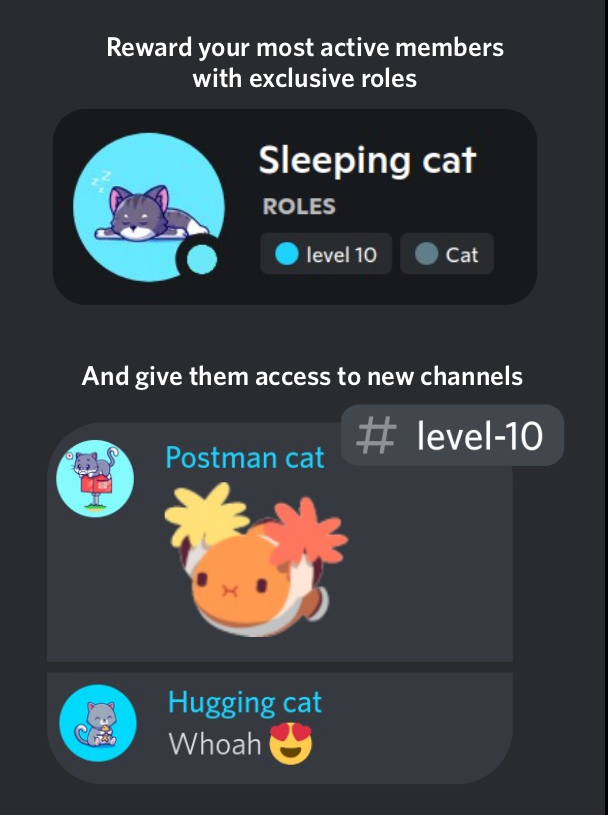
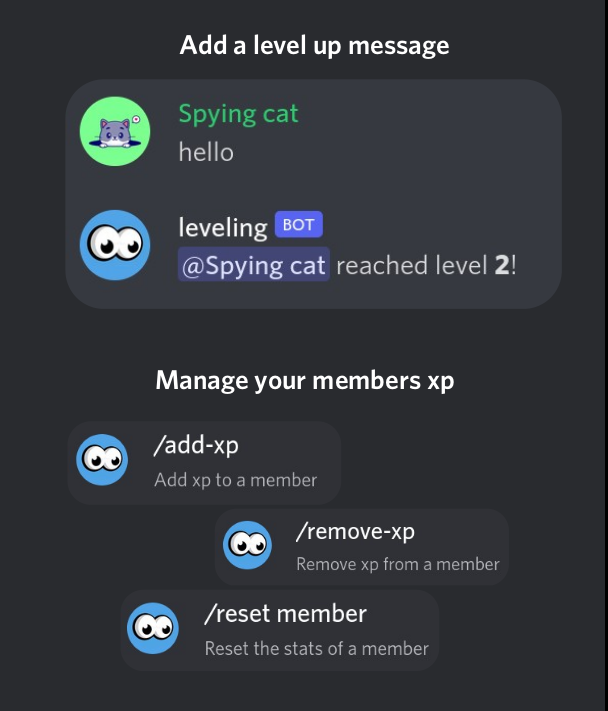
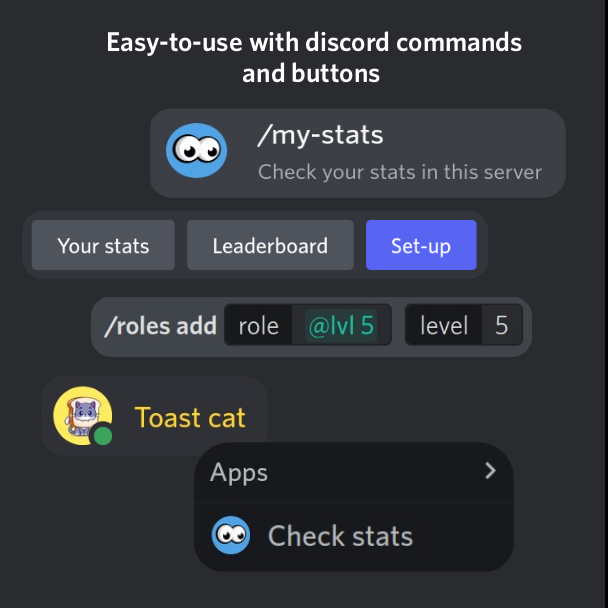
- Built a leveling system with experience points and leaderboards to encourage activity in Discord communities.
- Had the bot officially verified by Discord after a review process.
- Reached over 2,000 servers before shutting the project down at the start of my university studies.
- Learned about branding, data handling, user privacy, and maintaining a project used by real users.


Determinant Visualization
- Created a short project using Manim, a Python library for mathematical animations.
- Used animation to show the geometric meaning of the determinant of a linear transformation.
- Gained experience with mathematical visualization and Python-based animation tools.
Labs and Computational Physics
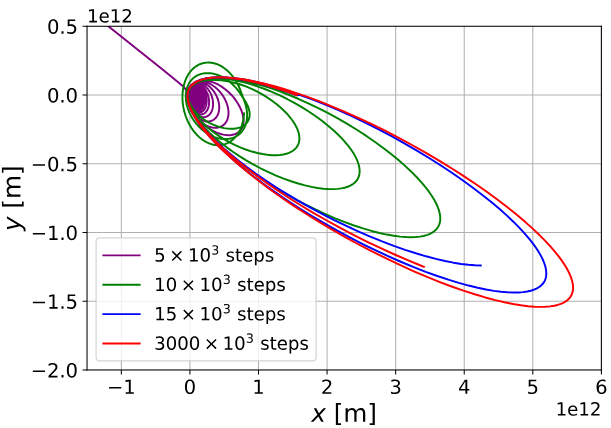
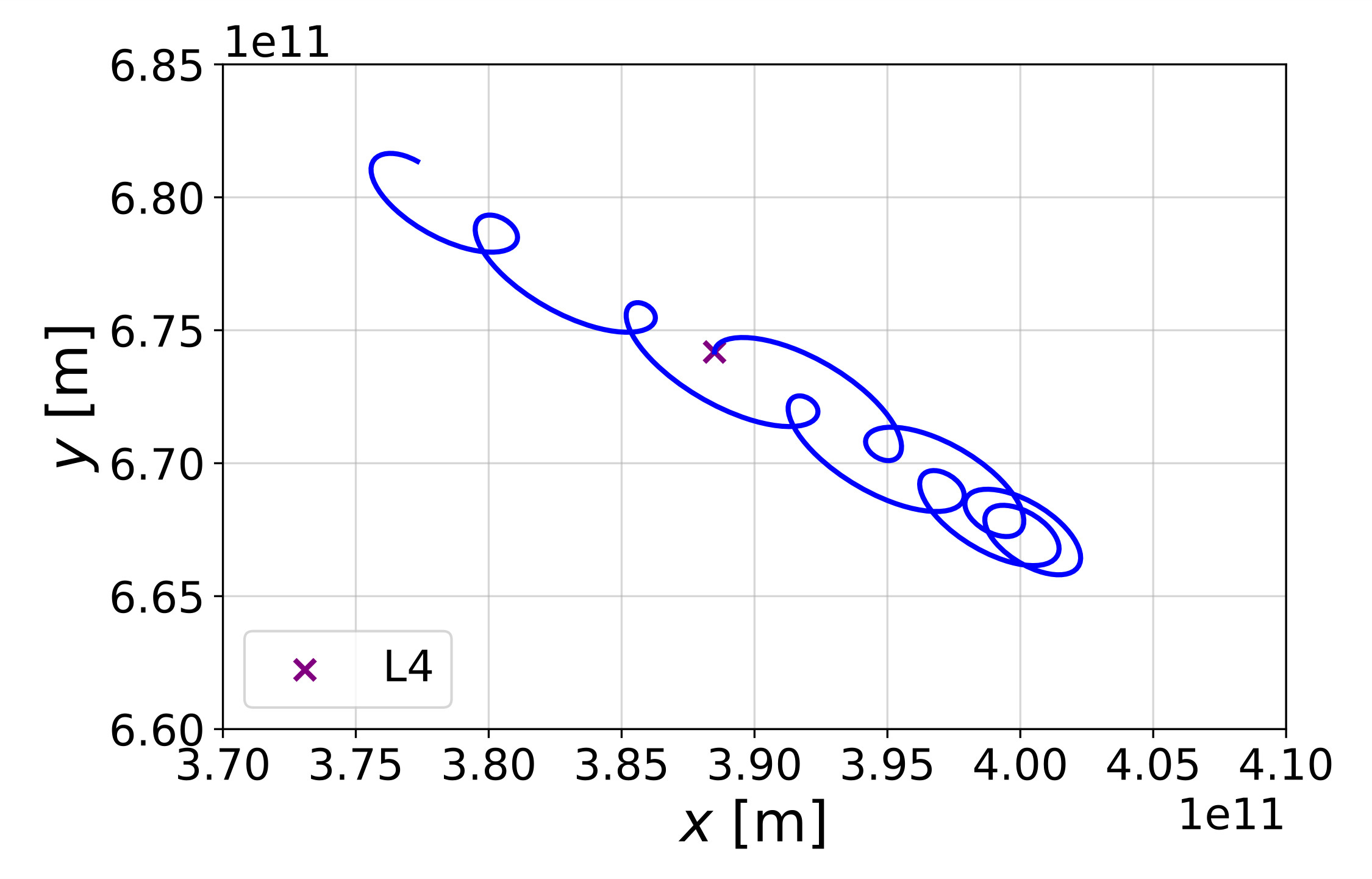
- Simulated physical systems such as quantum particles, wave propagation, orbital motion, and chaotic dynamics.
- Used numerical methods including finite differences, Runge–Kutta integration, Verlet schemes, and Crank–Nicolson.
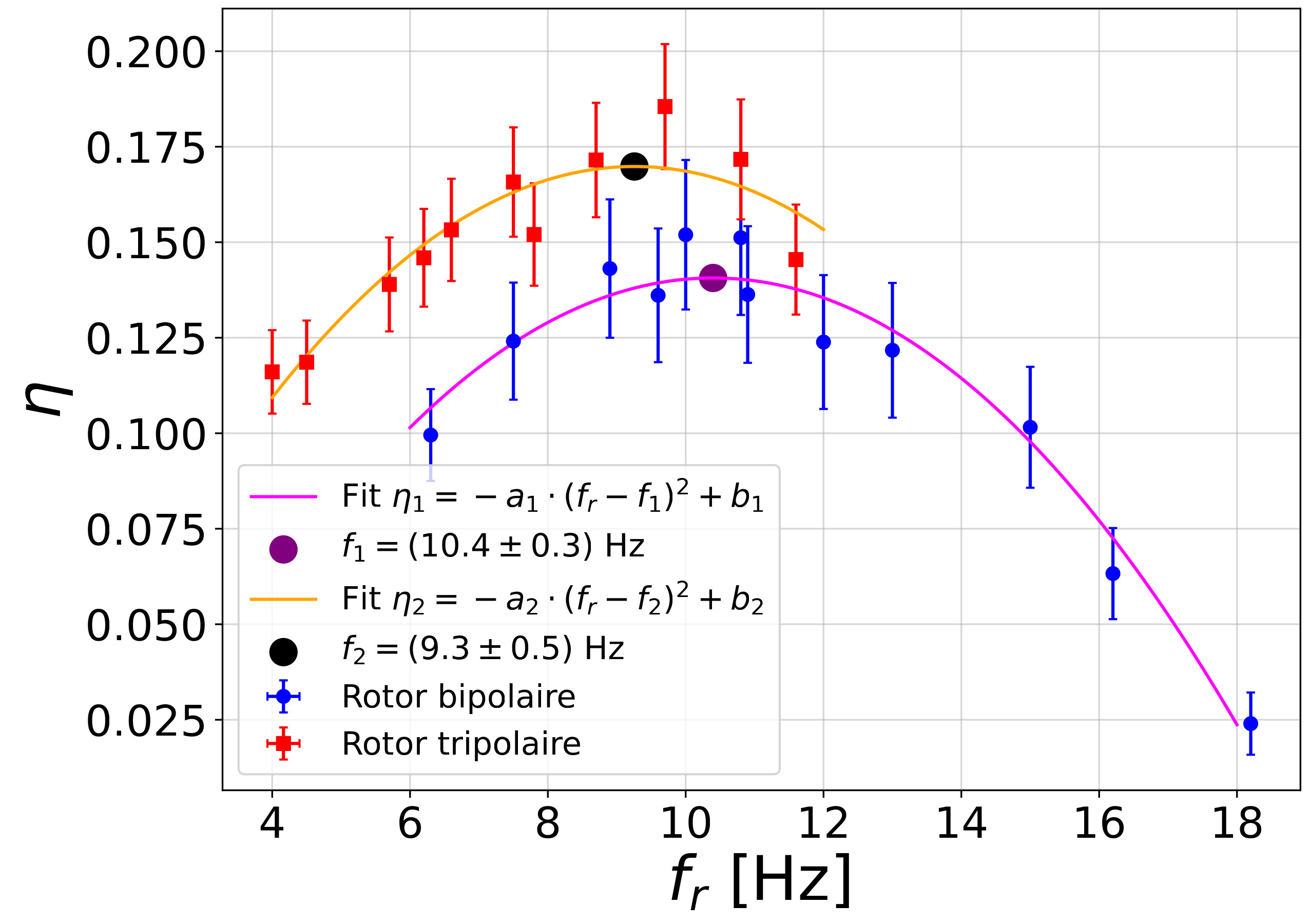
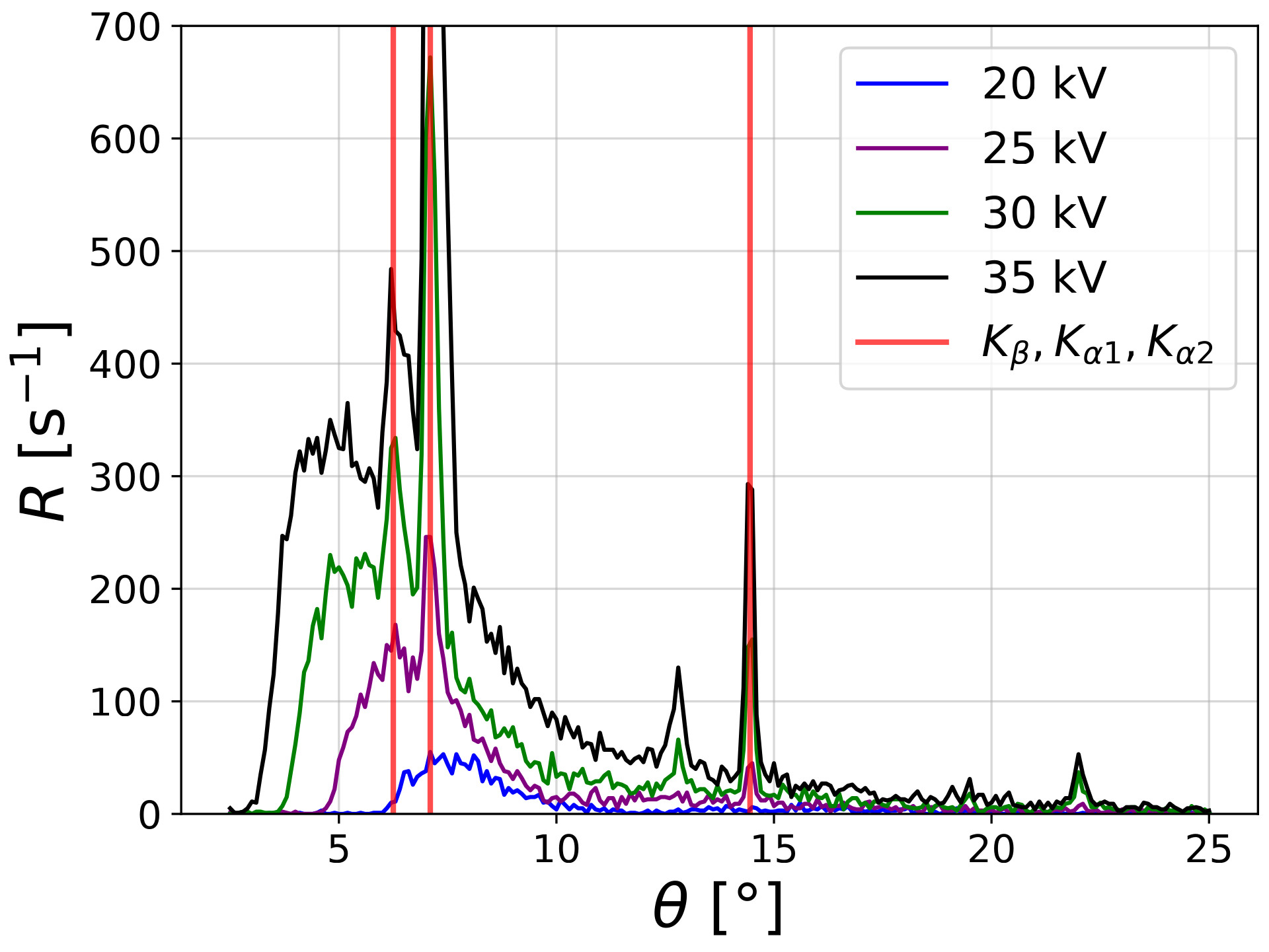
- Conducted 12 physics lab experiments, with data analysis, uncertainty estimation, and scientific report writing.
- Gained experience with Python, Matplotlib, and LaTeX.


Quantum Field Theory
Imperial College London — 7.5 ECTS
General Relativity
Imperial College London — 7.5 ECTS
Advanced Particle Physics
Nuclear and Particle Physics
Imperial College London — 7.5 + 7.5 ECTS
Quantum Information
Quantum Mechanics
Imperial College London, EPFL — 7.5 + 5 ECTS
Computational Physics
Data Science for Physicists
EPFL — 6 + 4 ECTS
Solid State Physics
Imperial College London — 7.5 ECTS
Analytical Mechanics
EPFL — 5 ECTS
Statistical Mechanics
Probability and Statistics
Imperial College London, EPFL — 7.5 + 3 ECTS
Labs II
Metrology
EPFL — 10 + 4 ECTS
Physics IV III II I
EPFL — 5 + 6 + 7 + 8 ECTS
Analysis IV III II I
Mathematical Methods for Physicists
EPFL — 4 + 5 + 8 + 8 + 3 ECTS
Object-Oriented Programming
Information, Computation and Communication
Self-taught, EPFL — 4 + 6 ECTS
Skill: Simulation-Based Inference and Neural Networks
Self-taught
Skill: LaTeX, Scientific Writing
EPFL
Skill: Python, Kotlin, C++, PyTorch, NumPy, Matplotlib
Self-taught, EPFL
Skill: Teaching
EPFL